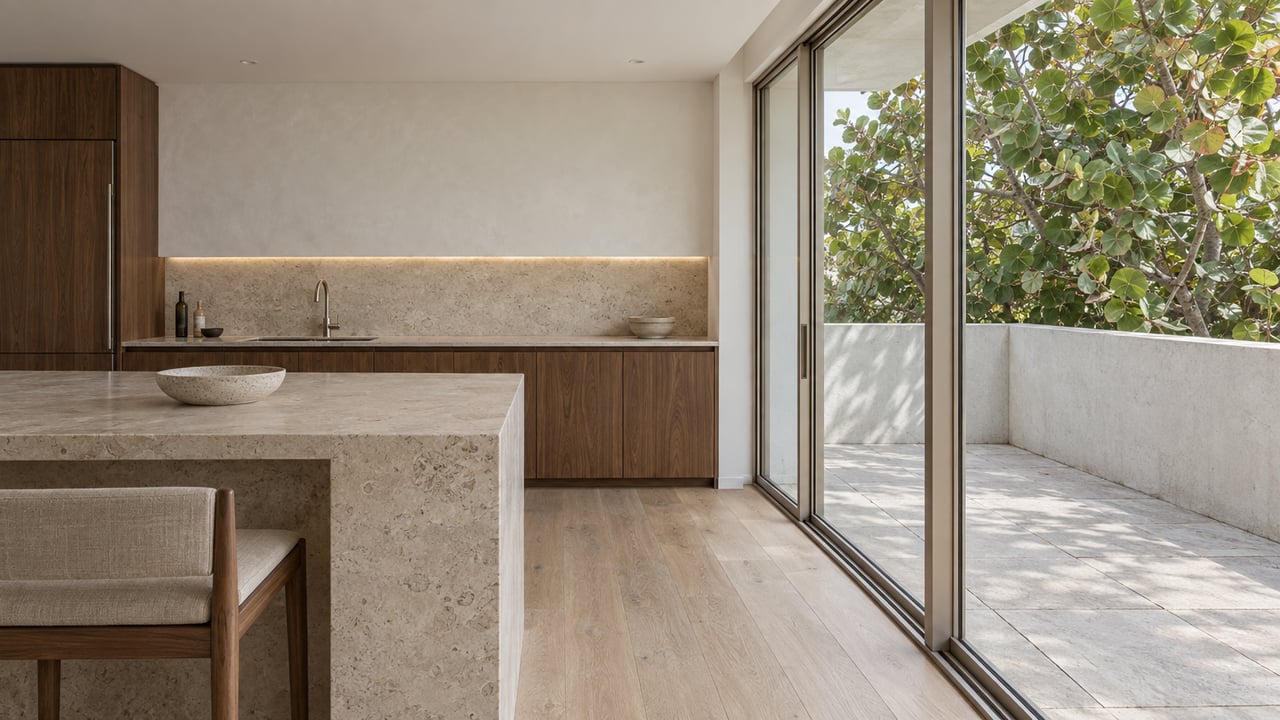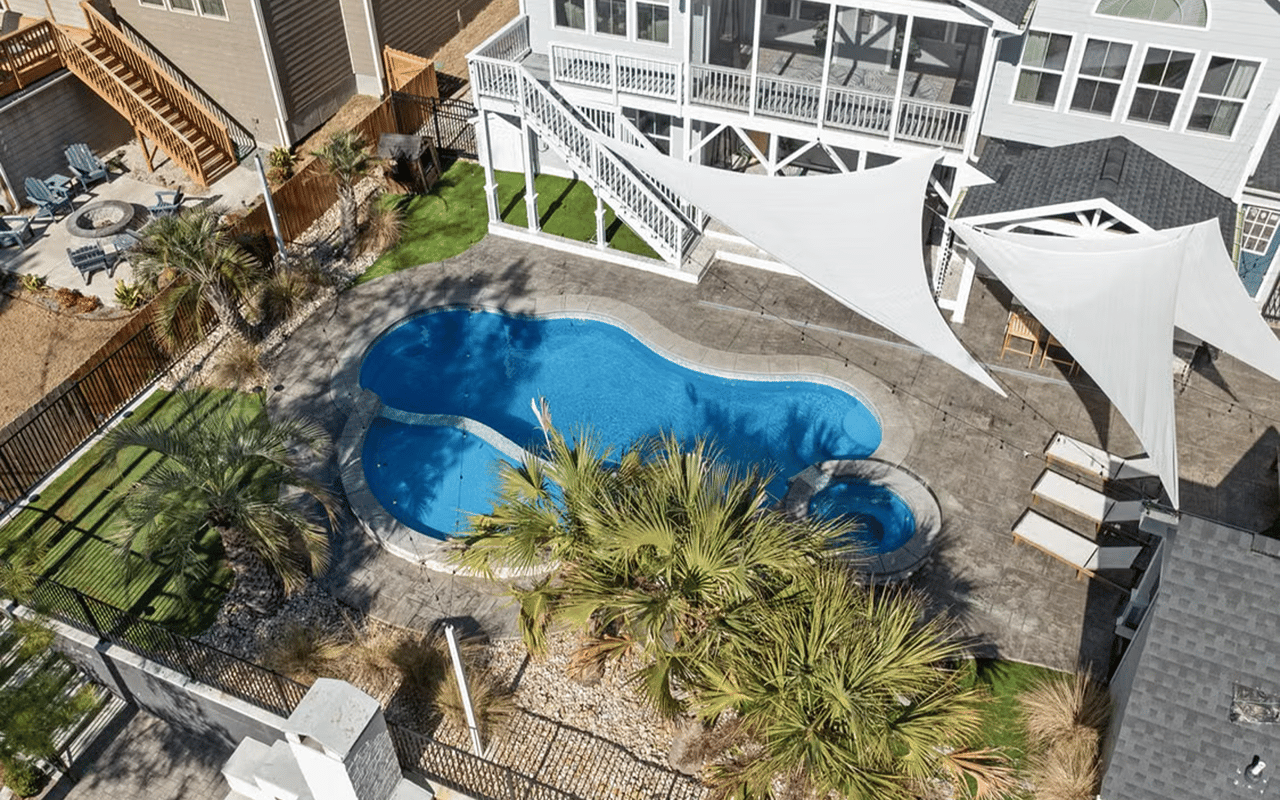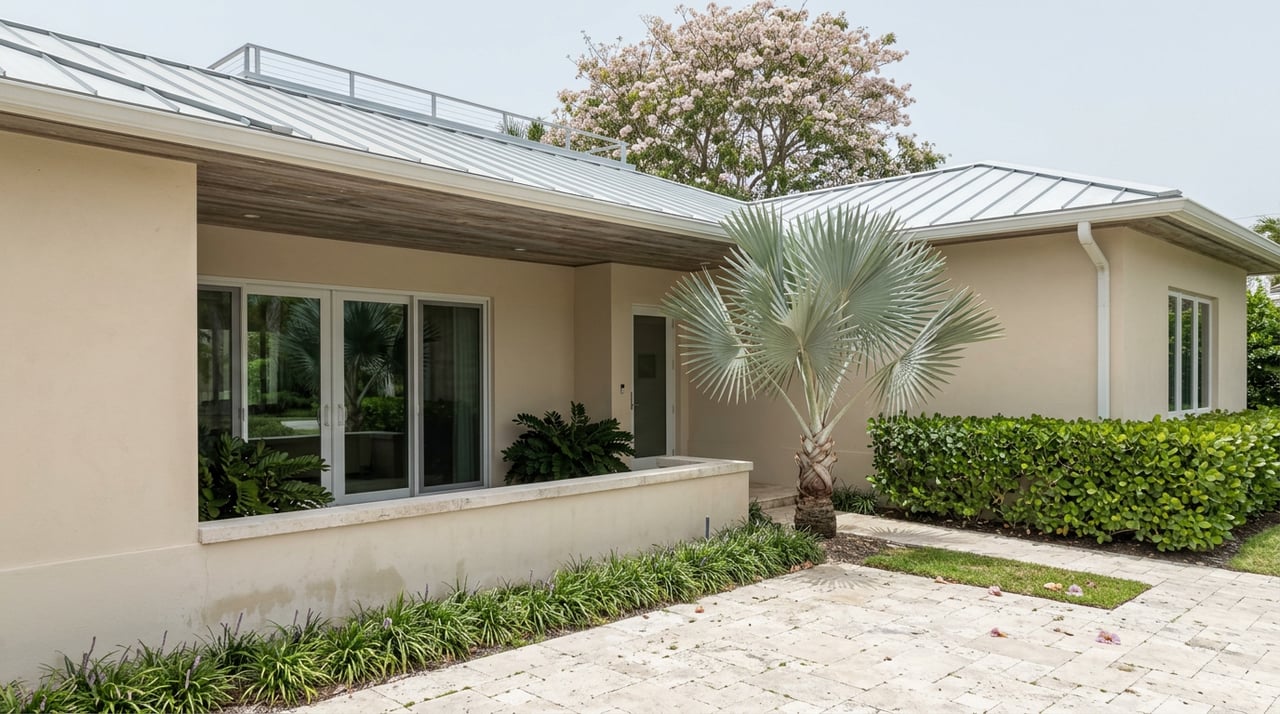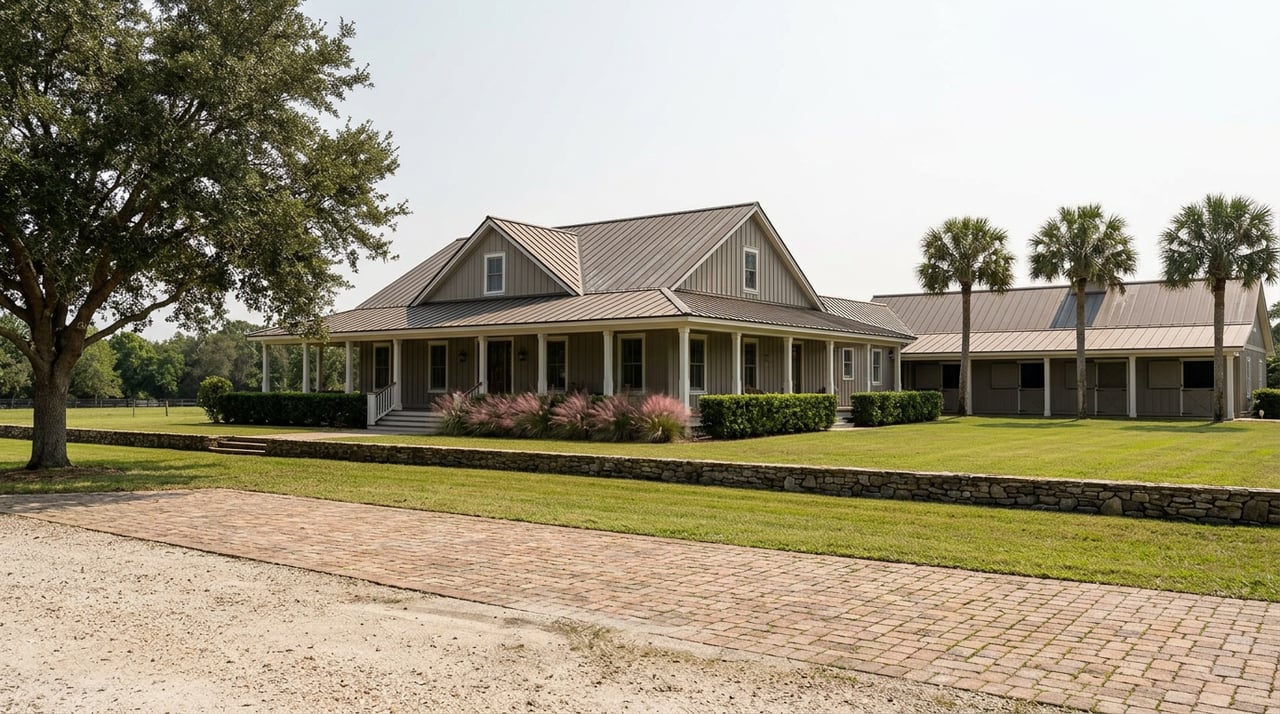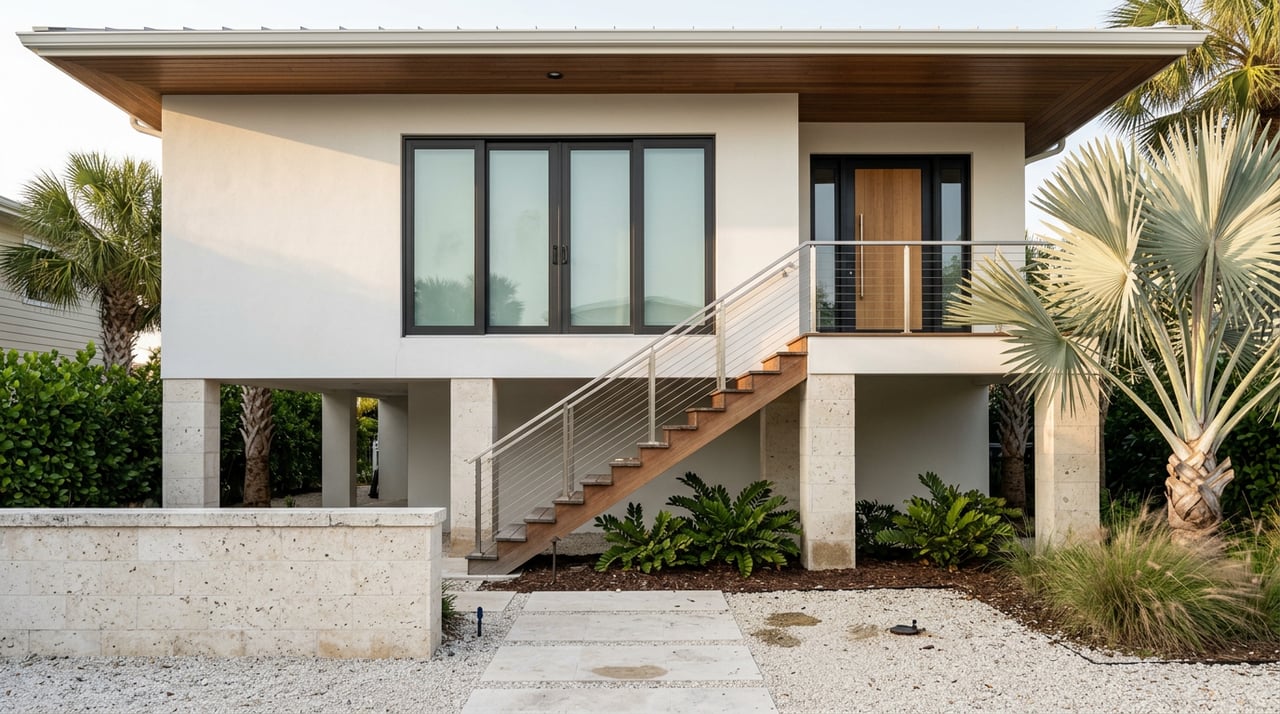
Picture two homes three blocks from each other on Anna Maria Island. Same builder era, same square footage, same Gulf-adjacent street, same photography package. One closes at $1.85 million. The other lingers past 150 days and eventually trades near $2.4 million to a buyer who paid without a financing contingency. The finishes did not explain the spread. The view did not explain the spread. What explained it was the line on a zoning map that determined how often the second home could legally turn over paying guests, and how many of them could sleep there.
That is the pricing mechanism most buyers and sellers underestimate on this island. Elevation and finishes get the attention. Rental cadence sets the price.
Three cities, three rulebooks, one MLS
AMI reads as a single market because the MLS presents it that way. Legally it is three, and the ordinance sitting under a parcel matters more than the branding above it. The City of Anna Maria allows nightly rentals but requires each home to be registered as a vacation rental, backed by an active Florida DBPR transient public lodging license and a Manatee County tourist tax account, and passed through an annual inspection before the first booking. Occupancy in the City of Anna Maria is capped at eight persons under the city's bedroom-and-square-footage formula. Bradenton Beach also permits nightly stays and, under its own occupancy formula, can allow up to twelve. Holmes Beach requires a vacation rental certificate and, more importantly for pricing, splits by zone: R1 and R1-AA parcels are 30-day minimums, while A1 and much of R2 through R4 support weekly stays. Manatee County's own code, Chapter 33, permits short-term rentals broadly in unincorporated areas, but the three incorporated cities on the island each write their own rules on top of that framework and enforce them through code enforcement.
For a buyer comparing two homes on portals, none of this appears in the listing photos. It appears only in the City of Anna Maria's vacation rental ordinances, the Holmes Beach zoning map, and the parcel-specific certificate history that a listing agent may or may not volunteer.
What the zoning line is actually worth
The gap between weekly and 30-day cadence is not a rounding error. AirROI's trailing twelve-month data through May 2026 puts median short-term rental revenue on Anna Maria Island at roughly $9,444 per month, with median RevPAR at $279 and the top quartile of listings reaching $473 or higher. Peak demand months are March, April, and July; the softest stretch runs September through November. A parcel legally limited to 30-day minimums cannot capture the March-through-July premium in the same way a weekly-zoned parcel can, because most peak-season demand is booked in shorter blocks by families flying in for spring break or a summer week.
Run the math against a $2 million purchase. A weekly-zoned home operating near the market median generates around $113,000 in gross annual revenue. A 30-day-zoned home in an identical shell typically clears a materially lower figure because it captures fewer peak bookings and competes against long-term seasonal renters rather than vacationers. Once you capitalize that recurring difference against carrying costs, buyers routinely justify $200,000 to $500,000 in price separation between two otherwise comparable homes. That is the pricing mechanism.
Carrying costs make the gap sharper, not softer. Flood insurance under FEMA's Risk Rating 2.0 now runs roughly $4,000 to $12,000 per year on most waterfront parcels, and total annual carrying on a median AMI home sits above $30,000 before any mortgage payment. A parcel that cannot rent weekly has to absorb that overhead from a smaller revenue base.
The ground-level surprise in the June 2026 numbers
The other assumption worth revisiting is that ground-level homes were repriced downward across the board after Hurricanes Helene and Milton. The transaction record does not support that story as neatly as buyers expect.
Comparing Q2 2024, before Helene, to Q2 2026, ground-level homes represented 38 percent of single-family sales in the earlier quarter and 35 percent in the more recent one. A three-point shift in share, not a collapse. Modest price-per-square-foot appreciation showed up even in that ground-level segment. Meanwhile island-wide absorption tightened from 11.4 months of inventory in December 2025 to 9.1 months by the end of June 2026, against a ten-year average of 8.1 months. In June 2026, thirty-four single-family homes sold across the island, more than double the fourteen that closed in June 2025. Condominium sales were flat year over year at ten versus eleven.
Read those numbers together and a specific picture emerges. Buyers are not walking away from ground-level product; they are underwriting it more carefully and pricing insurance and elevation retrofit risk into their offers. What has moved harder than elevation is the willingness to pay a premium for a parcel with clean, documented, weekly-rental legal standing. The market has repriced legal cadence more aggressively than it has repriced first-floor construction.
The HOA layer that quietly overrides the city
A parcel can sit in a weekly-zoned district and still be locked into 30-day minimums by its condominium declaration or homeowners association. This is common in older beachfront complexes where original developer documents predate the current municipal codes, and it is one of the most frequent causes of surprise at the closing table. A buyer confirms with the city that weekly rentals are legal, then discovers in the association resale package that the HOA restricts stays to one guest per month or bans transient use outright. The city rule is the ceiling. The association rule is the floor. Whichever is more restrictive controls.
For a resale investor the association layer is where the largest hidden losses originate. It is also, on the seller side, where the largest hidden discounts get baked into a listing price without the seller ever understanding why offers are coming in below expectation.
A pre-offer diligence sequence that actually protects the price
Before an offer is written on any AMI home marketed for its rental potential, six items belong in the file. The order matters.
- Pull the current municipal ordinance for the parcel's city and the specific zoning designation attached to the parcel ID. In Holmes Beach that means confirming R1, R1-AA, A1, or R2 through R4, and matching the designation against the current rental map rather than a version from a prior year.
- Request the seller's vacation rental registration or certificate, the active Florida DBPR transient public lodging license number, and the last twelve months of Manatee County tourist development tax filings. Gaps in the filing history often correlate with gaps in the rental history that the listing narrative implies.
- Read the HOA or condominium declaration for minimum lease terms, transient-use language, and any rental caps or waitlists. A rental cap that is currently full is functionally a rental ban until a slot opens.
- Order code enforcement history on the address. Prior complaints, open violations, or a lapsed certificate suggest the rental income cited in the marketing package may not reconcile with the compliance record.
- Independently verify occupancy math. The City of Anna Maria caps at eight, Bradenton Beach can allow up to twelve under a specific formula, and the calculation depends on bedroom sizing and square footage. Listing copy that advertises "sleeps 12" is not proof that twelve is legal.
- Get an insurance quote in writing, not an estimate. Risk Rating 2.0 has narrowed the gap between elevated and ground-level pricing in some cases and widened it in others, and the number that clears underwriting is the only number that matters to a mortgage file.
Any one of these six items can compress the value of an offer by six figures if it surfaces after contract rather than before.
For sellers, the same mechanism runs in reverse
Sellers who own the strongest legal cadence on the island, weekly rental rights in a Holmes Beach A1 zone or nightly rights in the City of Anna Maria with a clean certificate history, are the sellers who still command peak pricing in a market that has softened for less-documented product. The single-family median sits near $2.1 million in early 2026, down from a 2022 peak near $2.4 million but well above the pre-2020 $900,000 to $1.1 million range. Homes priced against the 2022 peak are sitting. Homes priced against realistic 2026 comparables in the $1.5 million to $2.5 million range are still drawing multiple offers when the rental documentation supports the number.
The listing narrative for a rental-capable AMI home should lead with the certificate, the DBPR license number, the twelve-month tourist-tax filings, and the HOA minimum-lease language. That documentation is worth more than a photography upgrade in this cycle.
FAQ
Can a buyer change a parcel's rental cadence after closing? Rarely, and never quickly. Rezoning across the three cities is difficult, and HOA amendments require the vote thresholds written into the declaration. A buyer should underwrite the property assuming the current legal cadence is permanent.
Are condo sales tracking the same pattern as single-family? Not exactly. Condo sales on AMI were essentially flat in June 2026 versus June 2025, ten versus eleven closings. Condo values depend more heavily on the association's rental posture than on municipal zoning, which is why declaration language is the first document a condo buyer should read.
Does the 35-foot building height cap affect resale? Indirectly. The 35-foot ceiling is a structural reason inventory stays constrained across the island and why land-value dynamics differ from taller barrier-island markets to the south. It supports the case for AMI's price floor without directly explaining spreads between comparable homes.
If you are underwriting an AMI purchase or preparing to list a home whose value is tied to its rental posture, the team at Sheldon, Gettel & Dahl can walk you through the parcel-level diligence and the pricing conversation that follows from it. Reach out to talk through the specific address before an offer or a list price is on the table.