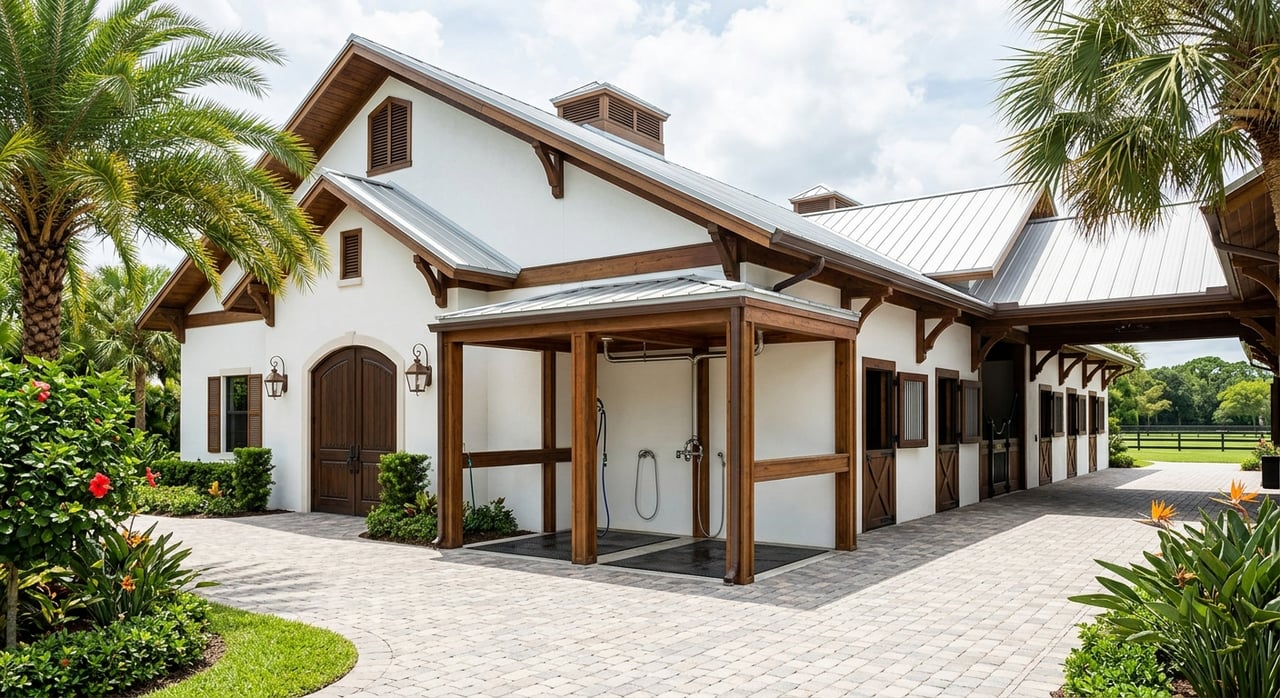
Are you getting ready to sell an equestrian estate in the Sarasota corridor and wondering what buyers will notice first? In Myakka City and east Sarasota, buyers often look beyond square footage and focus on how well the land, barn, and horse facilities have been cared for over time. If you want your property to stand out, a thoughtful plan can help you present both the lifestyle and the day-to-day function of the estate. Let’s dive in.
Know Your County First
Myakka City is in Manatee County, while much of the east Sarasota equestrian corridor falls in Sarasota County. That matters because property appraiser records, permit systems, and approval processes can differ by county.
Before you list, confirm which county governs your parcel and review the records that apply to your property. This simple step can help you avoid surprises when a buyer starts asking questions about barns, fences, agricultural use, or past improvements.
Start With What Equestrian Buyers Value
Buyers in this corridor are often drawn to more than the home itself. They are also buying into a setting with access to trails, open land, and established equestrian destinations.
Myakka River State Park spans more than 37,000 acres and sits within a broader conservation landscape of more than 80,000 acres across Sarasota and Manatee counties. Nearby preserves also strengthen the area's equestrian appeal, including Deer Prairie Creek Preserve, Old Miakka Preserve, and Carlton Reserve, which offers more than 100 miles of trails and horseback riding access.
For competition-focused buyers, TerraNova Equestrian Center is another strong local reference point. Sarasota County describes it as southwest Florida’s premier equestrian facility with world-class competition, making proximity to Myakka City and the east Sarasota corridor meaningful for serious riders.
Improve Pasture Presentation
One of the fastest ways buyers judge a horse property is by looking at the pasture. A field that appears healthy and managed sends a very different message than one with weeds, overgrazed patches, or uneven growth.
UF/IFAS guidance recommends rotational grazing so forage has time to rest and regrow. It also advises avoiding grazing below about 3 inches and using a sacrifice lot or dry lot when needed. If you are preparing to list, mowing after horses are removed can help even grass height and reduce the appearance of weeds.
Pasture quality matters because it reflects both usability and maintenance. UF/IFAS notes that weeds become easier to establish when pasture health declines, so buyers may view neglected pasture as a sign of deferred care elsewhere on the property.
Focus on Visible Pasture Details
Before photos or showings, pay attention to the details buyers can see right away:
- Overgrazed or bare areas
- Obvious weed growth
- Uneven mowing
- Broken or tired-looking fencing
- Muddy gates or heavily worn entry points
These issues may seem small, but together they shape a buyer’s first impression.
Clean and Refresh the Barn
A luxury equestrian property should feel orderly, safe, and well run. Buyers are not just touring a structure. They are assessing whether the barn supports horse health, daily function, and long-term care.
UF/IFAS recommends keeping stalled horses in clean, well-ventilated spaces. It also advises minimizing dust from sweeping or blowing aisles and notes that hay storage above stalls may be a concern for horses with respiratory issues.
As you prepare for listing photos and tours, aim for a barn that feels bright, clean, and uncluttered. Remove unnecessary equipment, tidy tack and feed areas, and create clear pathways so buyers can easily understand the layout.
Check Barn Safety Items
Barn hazards can quickly distract from an otherwise strong showing. UF/IFAS risk-management guidance specifically flags these issues as avoidable:
- Loose boards
- Exposed nails
- Uneven footing
- Fire-risk concerns
- Dusty or poorly managed aisles
Fixing these visible problems before listing can improve both presentation and buyer confidence.
Stage Arenas, Paddocks, and Turnout Areas
Your arenas and paddocks should show function, not just acreage. Buyers want to see spaces that feel ready to use, easy to maintain, and thoughtfully laid out.
Walk every turnout and riding area with a critical eye. Look for poor footing, clutter near fence lines, uneven gates, or signs of drainage trouble. Even if a buyer plans to make changes, a clean and usable setup helps them imagine the property working from day one.
If you use multiple turnout areas, make that organization visible. A clear layout can reinforce the impression that the property has been actively and professionally managed.
Do Not Overlook Manure Areas
Manure management is part of staging. Buyers notice odor, fly activity, runoff risks, and whether support areas feel organized or neglected.
UF/IFAS says manure storage should be on flat, dry ground away from waterbodies and flood-prone areas. It also recommends cover during heavy rain to reduce runoff and notes that composting can reduce volume, odor, flies, and nutrient loss.
If your manure area is visible during showings, clean it up before the home goes live. A well-kept support area tells buyers that the property’s less glamorous systems have been handled responsibly.
Organize Records Before Listing
For many equestrian estates, the paperwork is almost as important as the physical preparation. Buyers may ask detailed questions about structures, agricultural use, maintenance, and how the property has been operated.
A clean record packet can help reduce uncertainty and support a smoother transaction. Based on county permit systems, appraisal rules, and common buyer questions, sellers should gather documents before the property hits the market.
Records Worth Pulling Together
Consider assembling:
- Permit finals
- Inspection sign-offs
- Contractor information
- Agricultural classification records
- Lease documents, if applicable
- Income and expense records
- Pasture maintenance records
- Feed and hay information
- Manure management records
- Veterinary care logs
UF/IFAS record books also show that horse owners commonly track feed, hay, pasture analysis, turnout, health care, and farrier work. If you have these records organized, they can help demonstrate consistent stewardship.
Understand Permits and Exemptions
One common seller question is whether every barn, fence, or agricultural structure needed a permit. The answer is not always straightforward, especially when agricultural exemptions may apply.
Sarasota County states that permits are required before construction, alteration, addition, or change in occupancy of a structure. At the same time, its building permit guide notes that work on non-residential farm buildings on working farms may be exempt with Building Official and Zoning Administrator approval.
Florida Statute 604.50 also exempts many nonresidential farm buildings, farm fences, and farm signs on land used for bona fide agricultural purposes from the Florida Building Code and from county or municipal code or fees, except for floodplain-management rules. In Manatee County, the agricultural-exemption permit form for nonresidential farm buildings asks for information such as parcel ID, flood zone, product of farm, structure type, and use of structure.
The key is not to assume. Review your county records, confirm what was approved or exempted, and be prepared to explain the paper trail clearly.
Separate Agricultural Classification From Zoning
This is another area where sellers can get tripped up. Agricultural classification is not the same thing as zoning.
Sarasota County states that agricultural classification must be filed by March 1 and supported by items such as leases and income and expense records. For horse land in Sarasota County, the property appraiser says the parcel generally should have at least 4 breeding horses or 4 boarding horses, be fenced, and have a breeding or boarding facility.
Manatee County also requires the qualifying use to be established by January 1 and the application to be filed by March 1, although it has waived annual reapplication after initial approval unless ownership or use changes. If your property has agricultural classification, be ready to show the supporting records that justify it.
Market the Equestrian Lifestyle Clearly
When it is time to position the listing, specifics matter. General phrases about land or country living are less persuasive than clearly describing what the property offers and what is nearby.
If trail access is part of the value, name the destinations and the type of equestrian access. Myakka River State Park offers 12 miles of designated horse trails and requires a negative Coggins test. Deer Prairie Creek Preserve, Old Miakka Preserve, and Carlton Reserve also offer equestrian access, with Carlton Reserve noting more than 100 miles of trails and horseback riding.
For buyers interested in training or competition, mention the property’s proximity to TerraNova Equestrian Center. That local context can help buyers connect the estate to the broader equestrian lifestyle available in the area.
Think Like a Buyer at Every Step
As you prepare to sell, try walking the property the way a buyer would. They will likely notice pasture weeds, footing quality, barn clutter, fence condition, manure buildup, and whether records seem complete.
The goal is not perfection. The goal is to present an estate that feels well cared for, functional, and ready for its next chapter. In a niche market like Sarasota’s equestrian corridor, that combination can make a meaningful difference.
Selling a unique horse property takes more than standard home prep. It takes local market knowledge, thoughtful presentation, and a clear strategy for showing both the property’s beauty and its working value. If you are planning to sell your equestrian estate in Myakka City or the east Sarasota corridor, Sheldon, Gettel & Dahl can help you position it with the polished marketing and hands-on guidance this market deserves.
FAQs
What should you fix first before selling a Myakka City equestrian estate?
- Start with the most visible issues, including pasture weeds, unsafe fencing, poor footing, barn clutter, dusty aisles, and manure buildup.
What records should you gather before listing a Sarasota corridor horse property?
- Pull together permit finals, inspection sign-offs, contractor information, agricultural classification records, lease documents, income and expense records, and maintenance logs for pasture, hay, feed, manure, and horse care.
What trail access can help market an equestrian estate near Myakka City?
- Local equestrian access points include Myakka River State Park, Deer Prairie Creek Preserve, Old Miakka Preserve, and Carlton Reserve, which notes more than 100 miles of trails and horseback riding.
What should buyers know about Myakka River State Park horse trails?
- The park offers 12 miles of designated horse trails, and horses need a negative Coggins test to access them.
What is TerraNova Equestrian Center and why does it matter to sellers?
- TerraNova Equestrian Center is described by Sarasota County as southwest Florida’s premier equestrian facility with world-class competition, so nearby properties may appeal to competition-minded buyers.
What is the difference between agricultural classification and zoning for a horse property?
- Agricultural classification is not zoning, and sellers should be ready to show county-specific records that support any agricultural classification tied to the property.