By Sheldon, Gettel & Dahl
Sarasota's warm climate and abundant sunshine make it one of the best places in the country to start a home garden. Whether you have a sprawling backyard, a modest patio, or just a few containers on a lanai, the conditions and climate open up possibilities that gardeners in colder climates can only dream about. The long growing season, mild winters, and access to a wide range of native and tropical plants give Sarasota residents a head start.
That said, gardening in Southwest Florida comes with its own learning curve. The subtropical climate means that what thrives in a garden in the Midwest or the Northeast might struggle here, and the seasonal patterns run opposite to what most beginners expect. Knowing when to plant, what to grow, and how to work with the local soil can make the difference between a thriving garden and a frustrating one.
This guide is designed to help you build a productive, beautiful home garden in Sarasota from the ground up. Whether you are planting vegetables for the first time or adding landscape plants to your property, you will find practical guidance tailored specifically to this region.
Key Takeaways
- Sarasota's subtropical climate supports year-round gardening, with the cool season (October through April) being ideal for vegetables and herbs.
- Native and Florida-friendly plants are low-maintenance, drought-tolerant, and well-suited to the region's sandy soil and summer rains.
- Starting small with raised beds or containers allows you to learn the basics before scaling up.
- Amending Sarasota's sandy soil with compost and organic matter is essential for most food crops.
- Understanding the wet and dry seasons helps you plan your planting calendar for maximum success.
Understanding Sarasota's Growing Seasons
One of the first things new gardeners in Sarasota learn is that the growing calendar here looks very different from the rest of the country. Florida gardening is essentially inverted: the cool, dry season from October through April is the prime time for vegetables, herbs, and many flowering plants. The hot, wet summer months are more challenging for food crops, though they are ideal for tropical plants, palms, and many native species.
The dry season brings cooler temperatures, lower humidity, and relief from the intense summer sun. During this window, you can successfully grow tomatoes, peppers, cucumbers, squash, beans, lettuce, kale, basil, and a range of other edibles. Many Sarasota gardeners treat October and November as their equivalent of the spring planting rush, getting cool-season vegetables in the ground just as gardeners elsewhere are putting theirs to sleep.
Summer gardening in Sarasota is not impossible, but it requires selecting the right plants. Heat-tolerant vegetables, such as sweet potatoes, okra, and Southern peas, can handle the conditions. Tropical fruits, including papayas, bananas, and avocados, actually thrive in the summer heat. If you are a beginner, starting your garden in the fall gives you the best chance for early success.
The dry season brings cooler temperatures, lower humidity, and relief from the intense summer sun. During this window, you can successfully grow tomatoes, peppers, cucumbers, squash, beans, lettuce, kale, basil, and a range of other edibles. Many Sarasota gardeners treat October and November as their equivalent of the spring planting rush, getting cool-season vegetables in the ground just as gardeners elsewhere are putting theirs to sleep.
Summer gardening in Sarasota is not impossible, but it requires selecting the right plants. Heat-tolerant vegetables, such as sweet potatoes, okra, and Southern peas, can handle the conditions. Tropical fruits, including papayas, bananas, and avocados, actually thrive in the summer heat. If you are a beginner, starting your garden in the fall gives you the best chance for early success.
Sarasota's Two Key Planting Windows
- October through November is the best time to plant cool-season vegetables, including tomatoes, peppers, herbs, and leafy greens.
- December through February works well for brassicas, root vegetables, and salad crops that prefer slightly cooler nights.
- March through April offers a second opportunity for warm-season crops before summer heat arrives.
- June through September is best reserved for tropical fruits, native plantings, and heat-tolerant ornamentals.
- Year-round container gardening allows you to extend your growing season by moving plants in response to weather changes.
Getting Your Soil Ready
Sarasota's native soil is predominantly sandy, which drains quickly but does not hold nutrients or moisture well on its own. For most food gardens, this means that soil amendment is not optional; it is the foundation of a productive planting bed. Before you put anything in the ground, investing time in building up your soil will pay off all season.
The most effective approach is to add generous amounts of compost to your planting area. Compost improves water retention, introduces beneficial microorganisms, and provides a slow-release source of nutrients. You can purchase compost in bulk from local nurseries or garden centers or start your own compost pile using kitchen scraps and yard waste. Either way, working several inches of compost into your planting area before the season begins makes a meaningful difference.
Raised beds are an especially popular solution for Sarasota gardeners because they allow you to build the ideal growing medium from scratch rather than fighting with the native soil. A mix of compost, topsoil, and a material like perlite or coconut coir for drainage gives vegetables and herbs exactly what they need. Raised beds also warm up quickly in the fall and are easier to manage for beginners who are still developing their gardening instincts.
The most effective approach is to add generous amounts of compost to your planting area. Compost improves water retention, introduces beneficial microorganisms, and provides a slow-release source of nutrients. You can purchase compost in bulk from local nurseries or garden centers or start your own compost pile using kitchen scraps and yard waste. Either way, working several inches of compost into your planting area before the season begins makes a meaningful difference.
Raised beds are an especially popular solution for Sarasota gardeners because they allow you to build the ideal growing medium from scratch rather than fighting with the native soil. A mix of compost, topsoil, and a material like perlite or coconut coir for drainage gives vegetables and herbs exactly what they need. Raised beds also warm up quickly in the fall and are easier to manage for beginners who are still developing their gardening instincts.
Soil Improvement Essentials for Sarasota Gardens
- Compost is the single most important amendment for sandy Florida soil; aim for a two- to three-inch layer worked into the top six to eight inches.
- Raised beds filled with a custom blend give you full control over the growing medium and work especially well for food crops.
- Mulching around your plants helps retain moisture, suppress weeds, and moderate soil temperature during warm months.
- A simple soil test can tell you whether your beds need additional lime or sulfur to adjust pH for specific crops.
- Avoid overwatering, as sandy soil drains fast and roots in waterlogged conditions can develop fungal issues.
Setting Up Your First Garden Space
Starting small and building over time is the best approach for most beginners. Trying to establish a large garden all at once can be overwhelming, and a focused, well-maintained small garden will outperform a sprawling, neglected one every time. A single raised bed, a few large containers, or a small in-ground plot gives you enough space to learn without overcommitting.
Sunlight is the most important factor in selecting your garden location. Most vegetables and herbs need at least six to eight hours of direct sun per day, so choosing the sunniest spot available gives you the widest range of options. Sarasota's summer sun can be intense, though, and some afternoon shade is actually beneficial for cool-season crops planted in early spring as temperatures begin to climb.
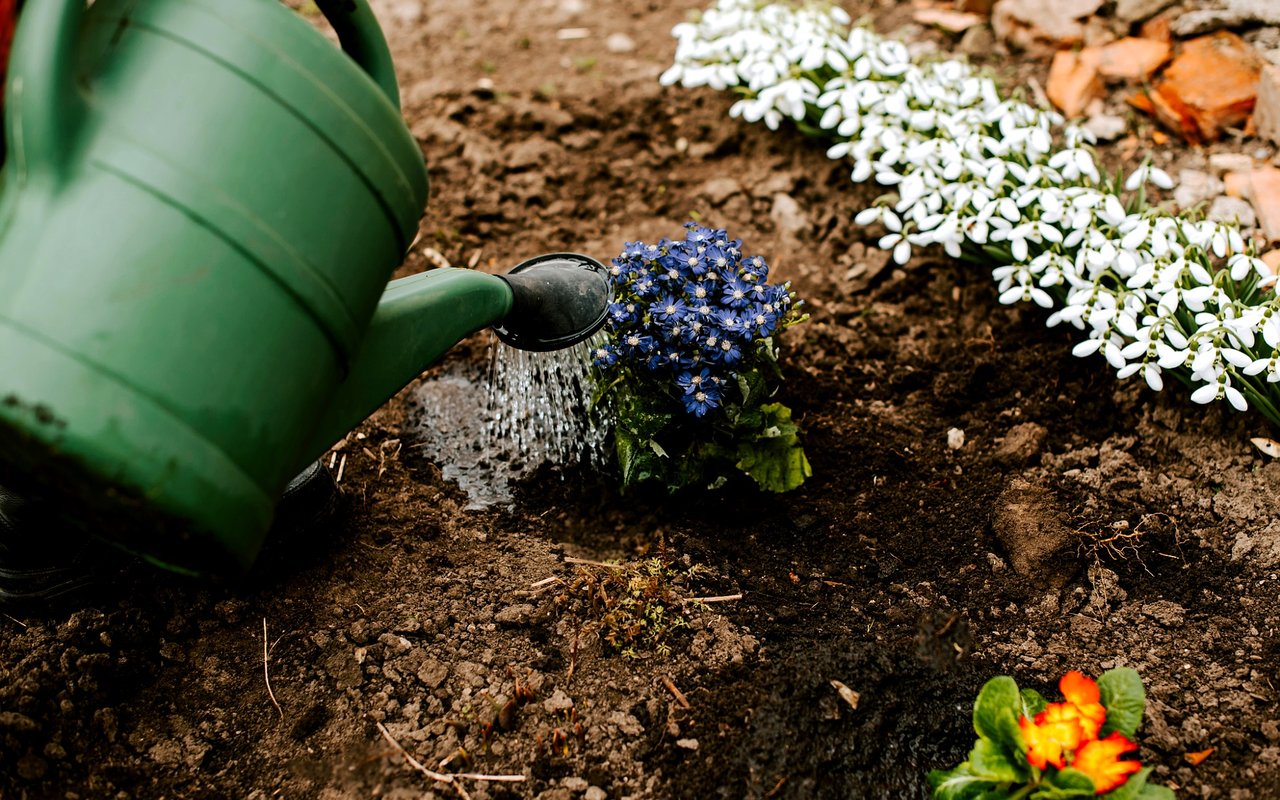
Watering is another consideration that shapes how and where you set up your garden. Sarasota's summer rainy season can provide much of the water your plants need from June through September, but the dry season requires consistent supplemental irrigation. A simple drip irrigation system or soaker hose setup reduces the time you spend watering and delivers moisture directly to the root zone, which is more efficient and less likely to encourage foliar diseases in Sarasota's humid conditions.
Sunlight is the most important factor in selecting your garden location. Most vegetables and herbs need at least six to eight hours of direct sun per day, so choosing the sunniest spot available gives you the widest range of options. Sarasota's summer sun can be intense, though, and some afternoon shade is actually beneficial for cool-season crops planted in early spring as temperatures begin to climb.
Watering is another consideration that shapes how and where you set up your garden. Sarasota's summer rainy season can provide much of the water your plants need from June through September, but the dry season requires consistent supplemental irrigation. A simple drip irrigation system or soaker hose setup reduces the time you spend watering and delivers moisture directly to the root zone, which is more efficient and less likely to encourage foliar diseases in Sarasota's humid conditions.
Steps for Setting Up a Starter Garden in Sarasota
- Choose a location with full sun exposure, ideally six or more hours of direct sunlight per day.
- Start with a raised bed measuring four by eight feet or a group of large containers to keep your first season manageable.
- Install simple drip irrigation or a soaker hose to make dry-season watering easier and more consistent.
- Purchase high-quality transplants from a local Sarasota nursery if you are not ready to start from seed.
- Keep a simple garden journal to track what you plant, when you plant it, and how it performs across the season.
FAQs
When Should I Start a Garden in Sarasota?
The best time to start a vegetable garden in Sarasota is in October or November, at the beginning of the dry season. This is when cool-season crops, including tomatoes, peppers, and herbs, can be planted and will thrive through the winter months. If you miss the fall window, a second planting in late February or early March works well for warm-season vegetables before summer arrives.
What Vegetables Grow Best in Sarasota?
Tomatoes, peppers, cucumbers, squash, beans, herbs, and leafy greens all perform well during Sarasota's cool season. In the summer, heat-tolerant crops, such as sweet potatoes, okra, and Southern peas, are better choices. Tropical fruits, including papayas and bananas, grow well in Sarasota year-round with minimal care.
Do I Need To Water My Garden During Sarasota's Rainy Season?
During the summer rainy season, Sarasota typically receives enough rainfall to reduce or eliminate the need for supplemental irrigation, especially for established plants. However, during dry spells even within the rainy season, you may still need to water. The dry season from October through May requires consistent irrigation, and a drip system or soaker hose makes this process much easier.
What Are Florida-Friendly Plants for a Low-Maintenance Landscape?
Florida-friendly plants are species selected for their adaptability to Florida's climate, soil, and rainfall patterns. In Sarasota, great choices, including firebush, coontie, beautyberry, muhly grass, and Simpson's stopper, provide year-round interest while requiring little supplemental water once established. Native plants also support local pollinators and wildlife, making them a sustainable choice for home landscapes.
Your Sarasota Garden Starts Here
Sarasota's climate is one of the most notable advantages of living on the Gulf Coast. The long growing season, abundant sunshine, and variety of plants available to local gardeners make home gardening one of the most rewarding ways to connect with this setting and enjoy your property year-round. Whether you are planting a container of herbs on the lanai or building raised beds in the backyard, the key is to let the seasons teach you.
When you are ready to make Sarasota your home or find a property with the outdoor space to bring your garden plans to life, our team is here to help. Sheldon, Gettel & Dahl know this community inside and out, and we would love to help you find a home where you can put down roots in every sense. Reach out to us to get started.
When you are ready to make Sarasota your home or find a property with the outdoor space to bring your garden plans to life, our team is here to help. Sheldon, Gettel & Dahl know this community inside and out, and we would love to help you find a home where you can put down roots in every sense. Reach out to us to get started.